
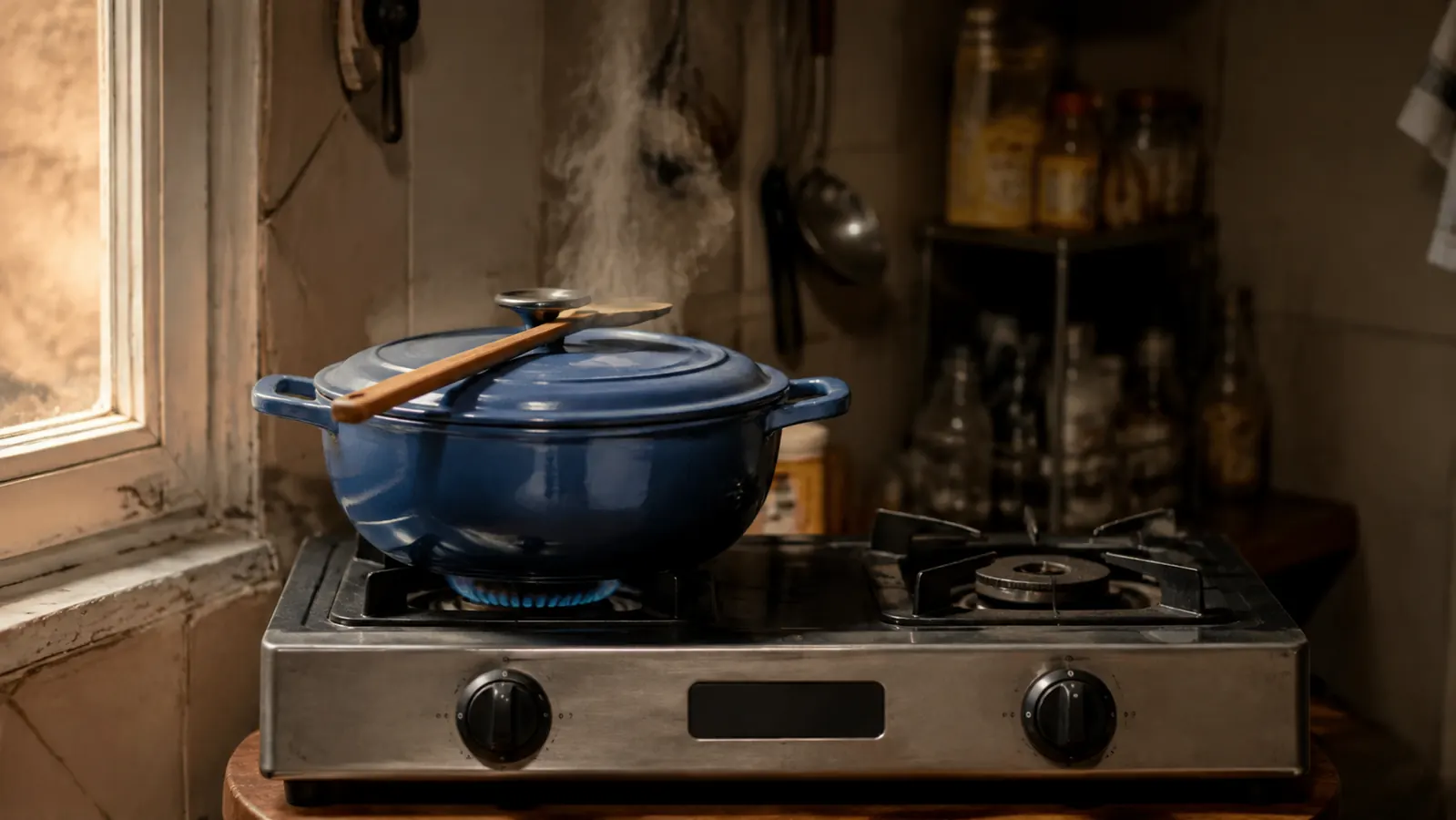
Nobody mentions how heavy the Lodge braiser feels the first time you actually pick it up. The listing photos make it look like something you'd swing off a shelf with two fingers, and then it arrives and you're recalibrating how you're going to move a full pot from stove to oven and back without a second person or a very steady wrist. That's not a complaint exactly, it's just the first thing that got left out of every review I read before I bought one, and it set the tone for everything else I found out the slow way.
I cook most nights in a kitchen where the counter runs out before my plans do, on a schedule that doesn't hold to a fixed dinner hour. I'd been circling enameled cookware for a while, half convinced a full-size Dutch oven was overkill for someone who's usually cooking for one or two. The 3.5 quart size is what pulled me toward the Lodge specifically, along with the price sitting well under most of the enameled cast iron I'd been eyeing. This review isn't the polished six-month diary. It's the stuff that didn't show up in the marketing copy or the five-star reviews written a week after unboxing.
The Quick Verdict
A genuinely capable small braiser once you know its real quirks, but the enamel needs more careful handling than the branding suggests, and the lid runs hotter than most first-time buyers expect.
Amazon Check Today's Price →Before you take the listing photos at their word, see what six weeks of real use actually looks like
Check today's price and current availability for the Lodge Essential Enamel Braiser on Amazon.
Amazon Check Today's Price on Amazon →How I've Used It
I've run the Lodge braiser through the meals it's actually built for: browned chicken thighs finished in the oven, a small batch of short ribs on a Sunday I had nowhere to be, and enough weeknight vegetable braises that I've stopped measuring the olive oil. It's replaced two separate pans I used to pull out for searing and simmering, which was the entire point of buying it, and on that count it's delivered. I'm not testing this as someone building a cookware collection. I'm testing it as someone who needed one pot to do more of the work.
The shape is shallower and wider than a Dutch oven, which took me a full week to stop fighting. I kept reaching for a deeper pot out of habit and ending up with oil splatter I didn't need. Once I adjusted to browning in smaller batches and trusting the wider surface area, the braiser started making more sense than the taller pot I'd been picturing when I ordered it. That adjustment period is real and it's the part nobody warns you about before the box shows up.
Even unpacking it surprised me a little. The box is dense in a way that made me assume something inside had shifted in shipping, and the pot came wrapped tighter than I expected for something this sturdy. Once it was out and rinsed, the enamel had a slight gloss the online photos flatten out, and the cornflower blue reads a shade darker in person than on the listing page, which isn't a problem, just another gap between the photo and the object.
The first cook also came with a faint new-enamel smell I hadn't expected, a little like a hot oven with nothing in it. It faded after the second use and never affected how anything tasted, but it caught me off guard enough that I checked twice to make sure I hadn't left a sticker or packing film somewhere on the base. If yours smells slightly off out of the box, that's normal and it goes away, not a sign anything's wrong.
The Things the Listing Photos Don't Show You
Three weeks in, I chipped the enamel on the inside rim with the edge of a metal spatula I wasn't thinking about. It's small, maybe the size of a grain of rice, and it hasn't affected cooking, but it's there, and the Lodge care instructions are clear that metal utensils are a risk I ignored for one careless second. Nobody tells you how easy that is to do on a rim that's thinner than the base. I've since switched to wood and silicone exclusively and haven't had a repeat, but the chip is permanent and it bugs me more than it probably should.
The interior enamel isn't the pale, stain-resistant surface some of the marketing photos imply either. After a tomato-heavy braise, mine picked up a faint yellowish tint on the light interior that a baking soda paste mostly lifted but didn't fully erase. It's cosmetic, not functional, and I want to be clear it hasn't affected how anything cooks or tastes. But if you're expecting the interior to look freshly unboxed after every use the way some product photography suggests, that's not realistic once tomatoes and turmeric get involved.
The cornflower blue exterior shows water spotting more than I expected too. It's a small thing, but if you're someone who likes cookware to look showroom-clean on open shelving, plan on wiping it down after every wash instead of letting it air dry, or you'll get faint mineral marks that build up over weeks.
I also noticed the exterior bottom picked up a few faint gray scuffs from sliding across my glass cooktop, the kind you'd never see in a studio photo shoot but that show up under kitchen light once you've used the pot regularly. Lifting instead of sliding it fixed that going forward, but it's another small habit the marketing never mentions you'll need to build.
The Weight and the Lid Nobody Warns You About
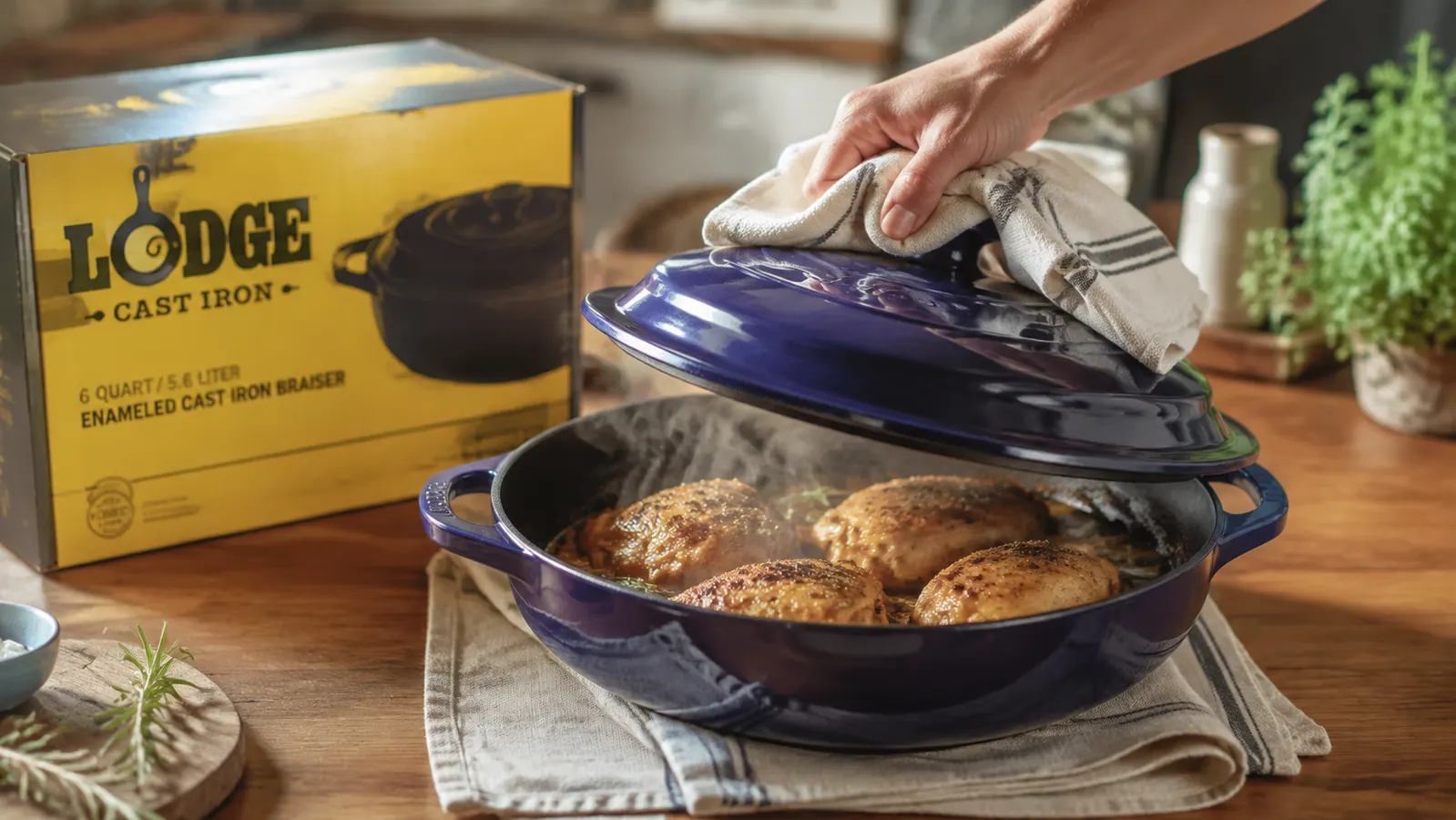
The lid runs hotter than I expected for something rated oven-safe to 500 degrees. It's not a defect, it's just physics, but the knob gets genuinely hot fast, faster than the handles on the base, and I learned that by grabbing it bare-handed exactly once. A kitchen towel is non-negotiable with this pot in a way it wasn't with the nonstick pans I used before, and that's a habit change worth knowing about before your first oven-to-table moment, not after.
Lifting the full pot one-handed isn't something I'd recommend, especially once it's holding liquid and vegetables. I've settled into using both hands and a folded towel under one side whenever it's coming out of the oven, which slows down the process a little but keeps me from doing something careless with a pot this heavy while it's holding something hot. If you've got wrist issues or you're used to lighter aluminum cookware, that weight is worth sitting with before you commit.
Storage turned into its own small problem. The braiser's width means it doesn't stack neatly under my other pans the way a taller, narrower pot would, and I ended up giving it a dedicated spot in the lower cabinet instead of nesting it with everything else. If your cabinet space is already tight, measure before you buy, because the shape that makes it good for braising is the same shape that makes it awkward to tuck away.
What 3.5 Quarts Really Means Once You're Cooking For Real
On paper, 3.5 quarts sounds like a lot. In practice, once you've browned four chicken thighs and added onions, carrots, and enough liquid to actually braise something, you're closer to the rim than the number suggests. I've had to drop to three thighs instead of four on a couple of occasions to avoid crowding the pot, which changed portion sizes I hadn't planned around. If you regularly cook for more than two people, this braiser will feel tighter than the capacity number implies, and I wish that had been clearer before I bought it.
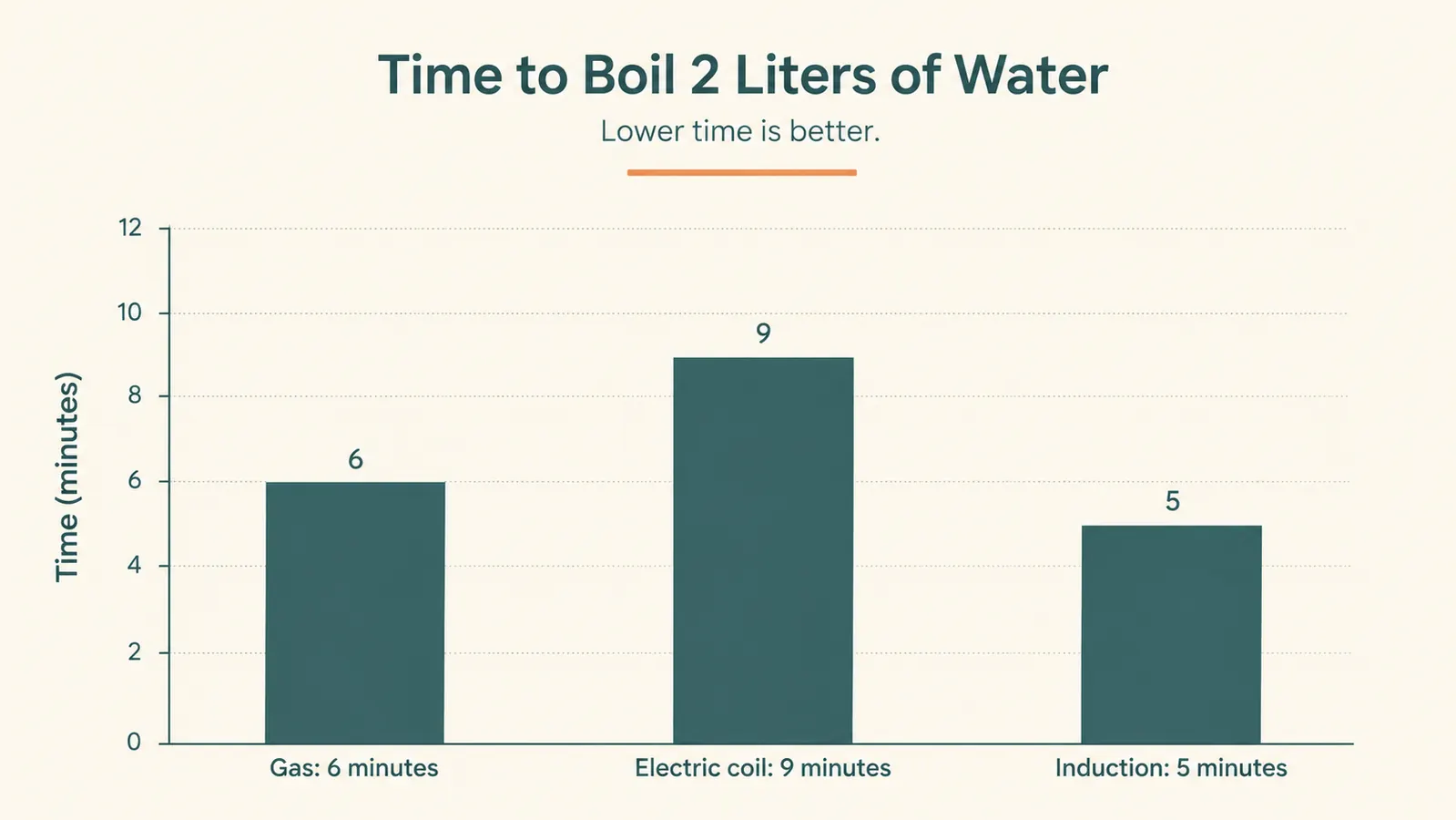
Heat response is another thing that didn't match my expectations. On my gas burner it reaches a steady simmer in about 6 minutes, which is quick, but on the electric coil stove at a friend's place it took closer to 9 minutes for the same amount of liquid, and on an induction cooktop I borrowed for a week it dropped to about 5 minutes. If your burner setup is electric coil, budget more patience than the gas-stove reviews you'll find online suggest, since most of those were written on burners that heat faster than yours might. I broke down the exact temperature and timing habits that actually work for this pot in a separate step-by-step guide to braising in a small kitchen, since the water ratios and heat levels took me longer to dial in than I expected.
The lid's fit matters more than I gave it credit for early on. It sits snug enough to hold in moisture during a long braise, but it's not airtight, and on a couple of longer cooks I had to add a splash more liquid halfway through than the recipe called for because more evaporated out than I anticipated with a shallower pot. That's a small adjustment once you know it's coming, but it caught me off guard the first two times.
Lodge also markets this as refrigerator safe, and I've used that more than I expected to, storing braise leftovers right in the pot overnight instead of dirtying a separate container. What the listing doesn't mention is how much shelf space a 3.5 quart pot with handles actually eats up in a fridge that's already tight. It fits in mine, but only on the bottom shelf, and only after I moved a few things around, which is worth knowing if your fridge is as crowded as your counter.
Cleaning the Enamel: What Actually Works
Cleanup is where I'll give the Lodge real credit. Most nights, hot water and a soft sponge handle it, and stuck-on fond releases with a short soak, usually ten to fifteen minutes, rather than the aggressive scrubbing my old stainless pan demanded. That part of the marketing held up. What didn't get mentioned anywhere I looked before buying is that dried-on starch from rice or grains needs a longer soak, closer to thirty minutes, or you'll be scrubbing harder than the enamel really wants.
It's labeled dishwasher safe, and I've run it through the dishwasher a handful of times without visible damage, but I've mostly stopped doing that on purpose. Hand washing gives me more control near that chipped rim, and it keeps the exterior color from picking up the dull, slightly hazy look I noticed on the one or two dishwasher cycles I tried early on. That's a personal choice more than a rule, but it's the choice I've settled into after a few months of actually using this thing instead of just photographing it.
I looked at a full-size Dutch oven before landing on this braiser, and I wrote up the honest tradeoffs in a full comparison between the braiser and a bigger Dutch oven if capacity is the thing holding you back. If you want the longer arc of how this pot has held up beyond the first few weeks, I also kept a running account in a year-long review of small-batch cooking with the same braiser, which covers wear patterns this piece doesn't.
What I Liked
- Wide, shallow shape sears and braises in the same pot without switching pans
- Cleanup is genuinely easy on most nights, with fond releasing after a short soak
- Reaches a steady simmer quickly on gas and induction burners
- Handled six weeks of near-weekly braises without any functional damage to the enamel
- Fits a small kitchen better than the full-size Dutch oven I almost bought instead
Where It Falls Short
- Enamel rim chips easily if you forget and reach for a metal utensil
- Lid knob gets hot fast and needs a towel every time, more than my old cookware did
- 3.5 quarts fills up faster than the number suggests once you're browning for two people
- Heavier than it looks in photos, and awkward to lift one-handed when full
- Light interior picks up faint staining from tomato-heavy dishes that doesn't fully scrub out
- Wide shape doesn't nest neatly with other pots, so it needs its own cabinet spot
Nobody mentions the chip you'll eventually put in the rim, the lid knob that runs hotter than you'd guess, or how fast 3.5 quarts fills up once you're actually cooking. I'm mentioning all three.
Who This Is For
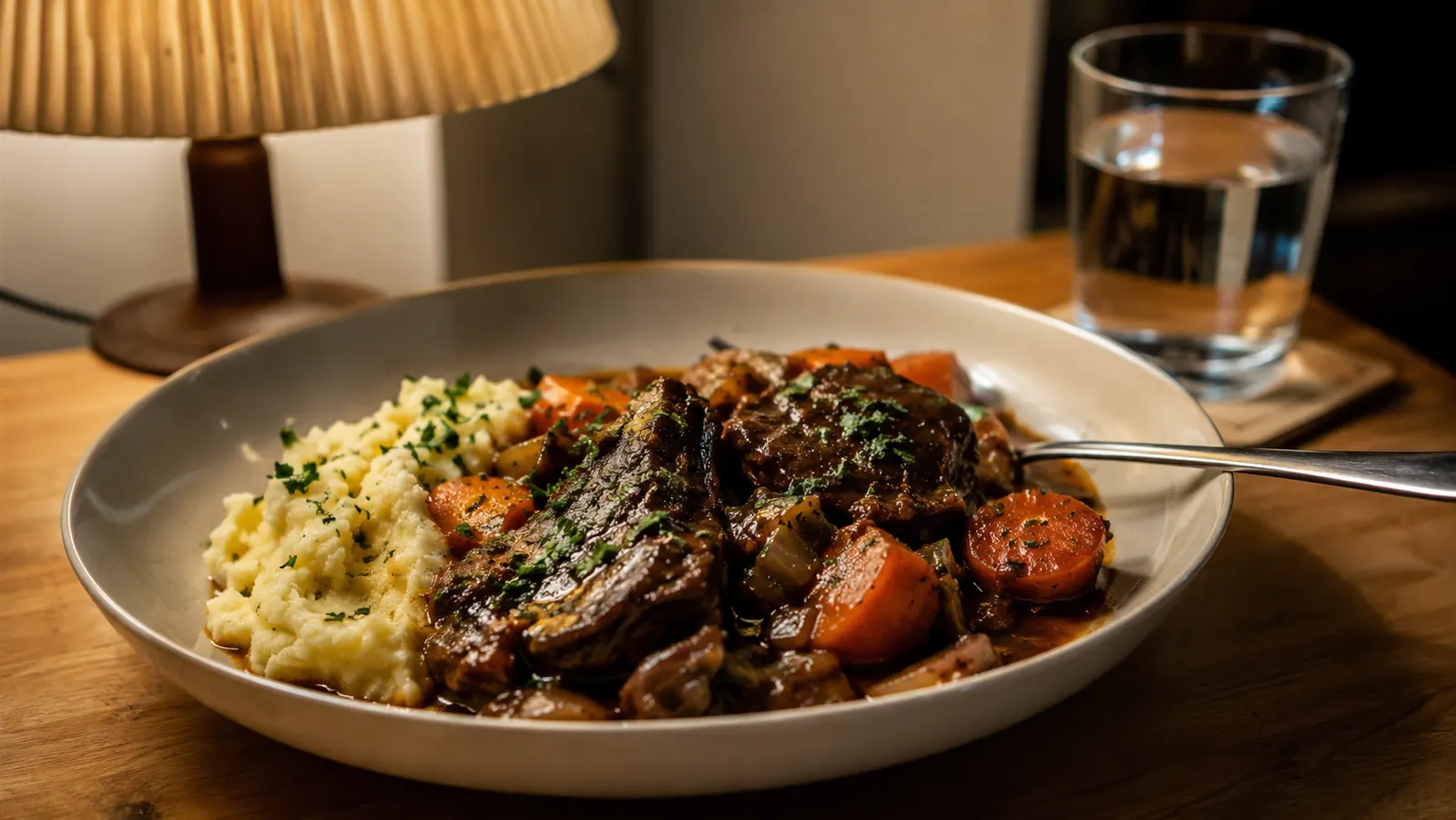
If you're cooking for one or two people in a kitchen where a full Dutch oven feels like overkill, and you're willing to switch to wood and silicone utensils permanently, the Lodge braiser earns its space. It genuinely replaced two pans in my rotation, and once I adjusted to its quirks, it's become the pot I reach for most nights. If you want the fuller case for going small instead of buying the biggest pot on the shelf, I laid it out in ten reasons an enameled braiser beats a bulky Dutch oven.
Who Should Skip It
If you routinely cook for a family of four or more, or you're not willing to retire your metal spatulas, skip this one and look at a larger enameled pot instead. It's also not for anyone who wants cookware that still looks unboxed after a few months of tomato-based cooking, because it won't. If you're still deciding whether downsizing your cookware even makes sense for your kitchen, the story of how I got here is in the pot that replaced four pans in my small kitchen, which covers the decision itself rather than the pot's day-to-day quirks.
Know the real quirks before it's sitting on your stove, not after
Check today's price on the Lodge Essential Enamel Braiser and see if it's currently in stock.
Amazon Check Today's Price on Amazon →